Overview
Great Facilities and Amenities
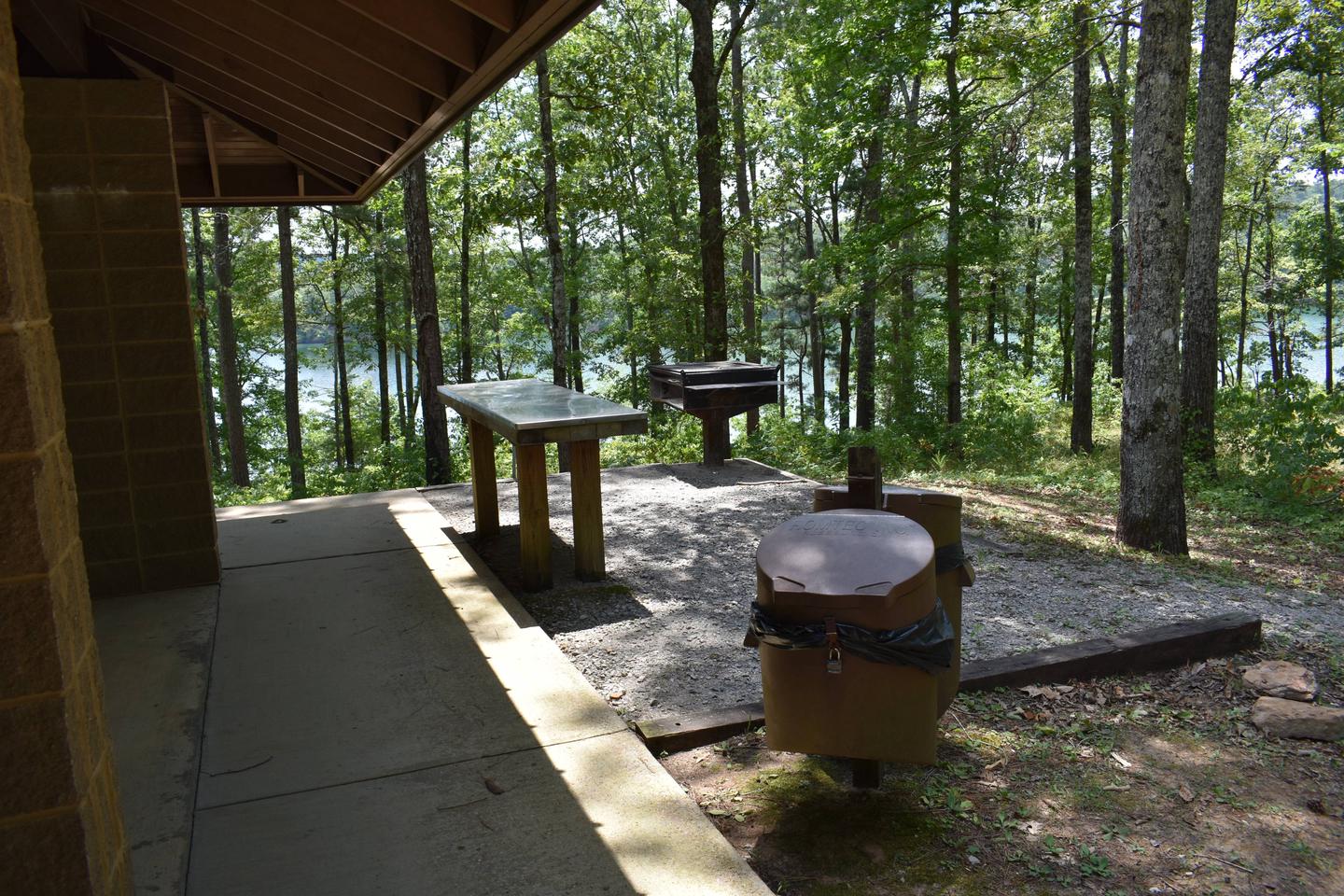
Bbq
(18 of 61 campsites have Bbq)
Campfire Allowed
(All campsites have Campfire Allowed)
Checkin Time
(Majority of the campsites have 2:00 pm)
Checkout Time
(Majority of the campsites have 12:00 pm)
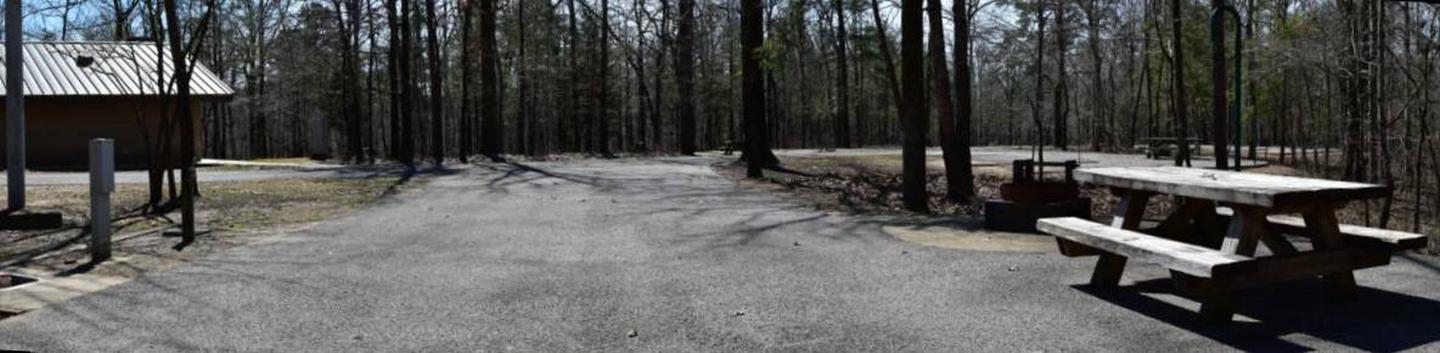
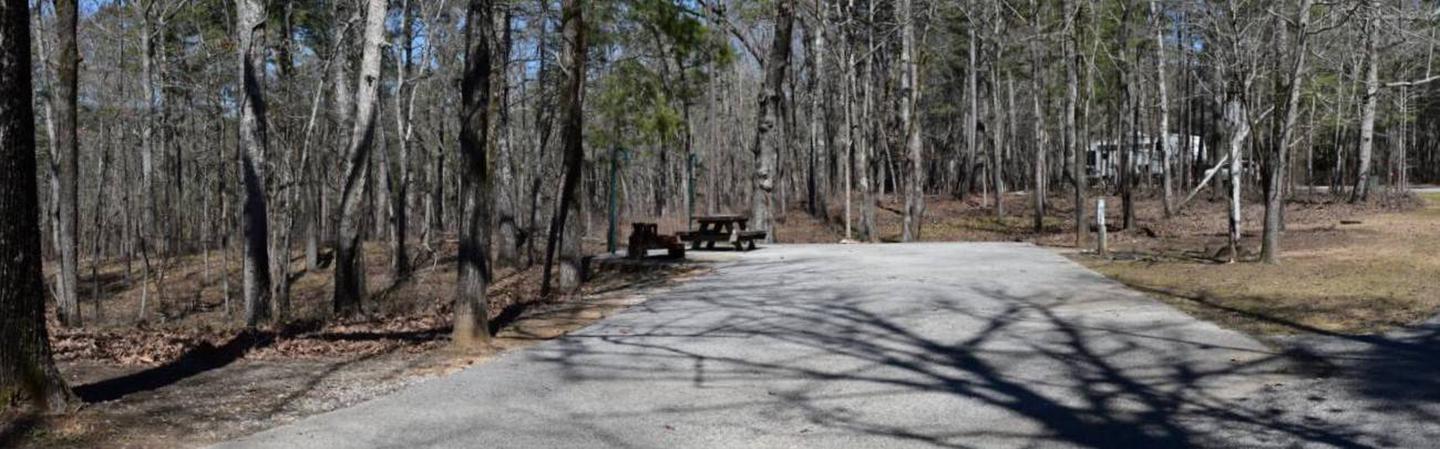
Driveway Entry
(Majority of the campsites have back in)
Firepit
(60 of 61 campsites have Firepit)
Max Num Of People
(Up to 20)
Max Num Of Vehicles
(Up to 10)
Pets Allowed
(All campsites have Pets Allowed)
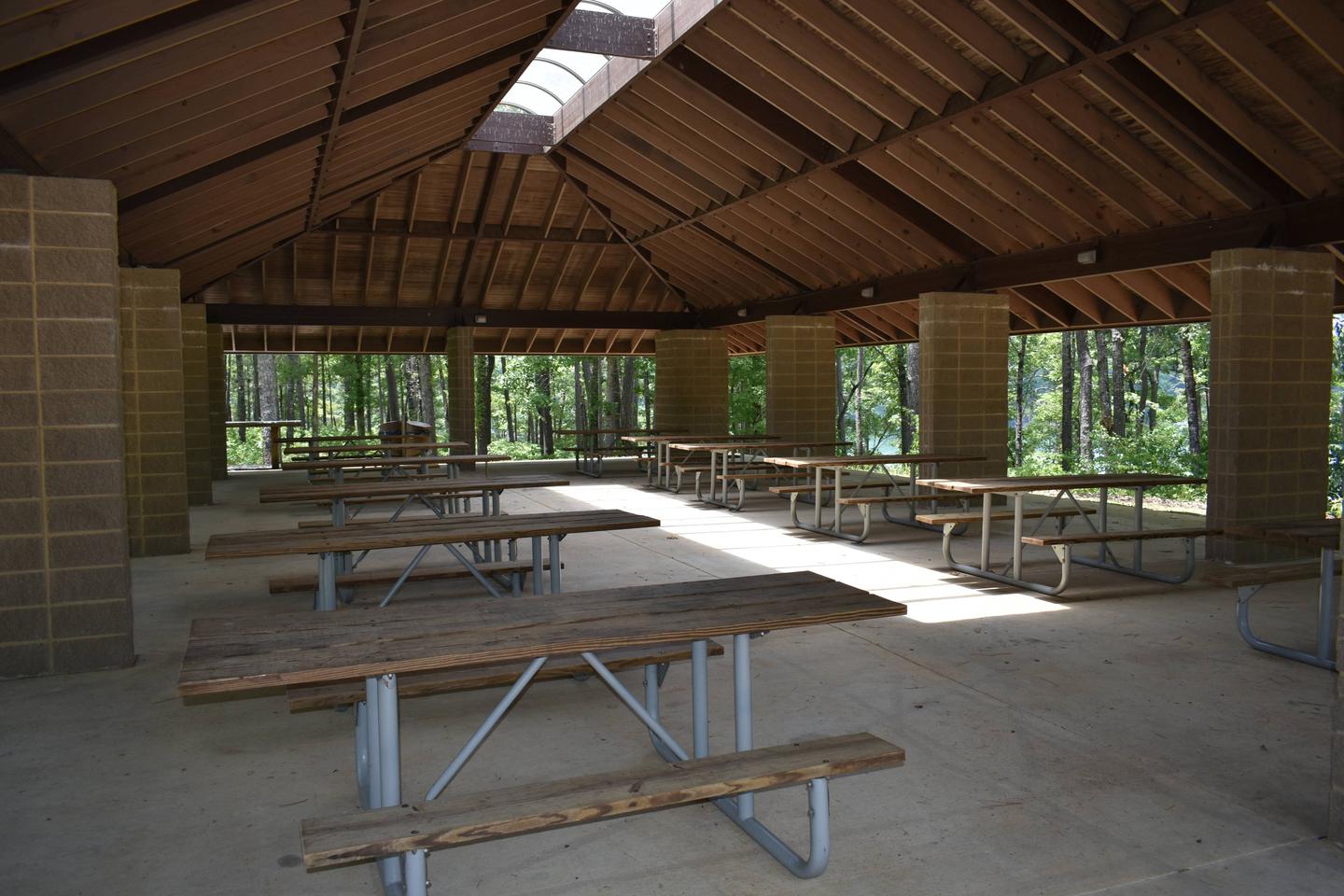
Picnic Table
(All campsites have Picnic Table)
Shade
(Majority of the campsites have true)
Site Access
(43 of 61 campsites have Site Acceses)
Water Hookup
(52 of 61 campsites have Water Hookup)
Natural Features
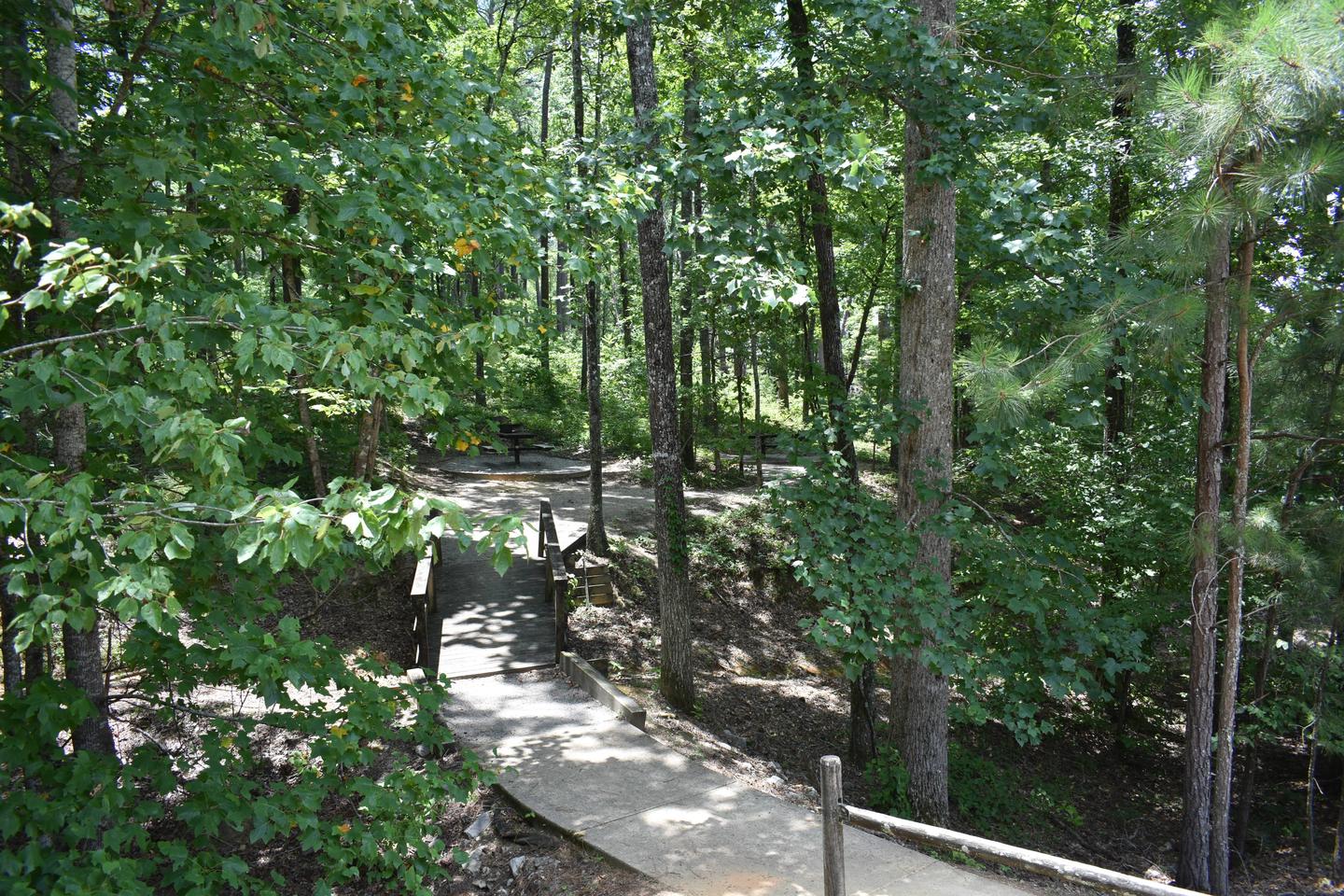
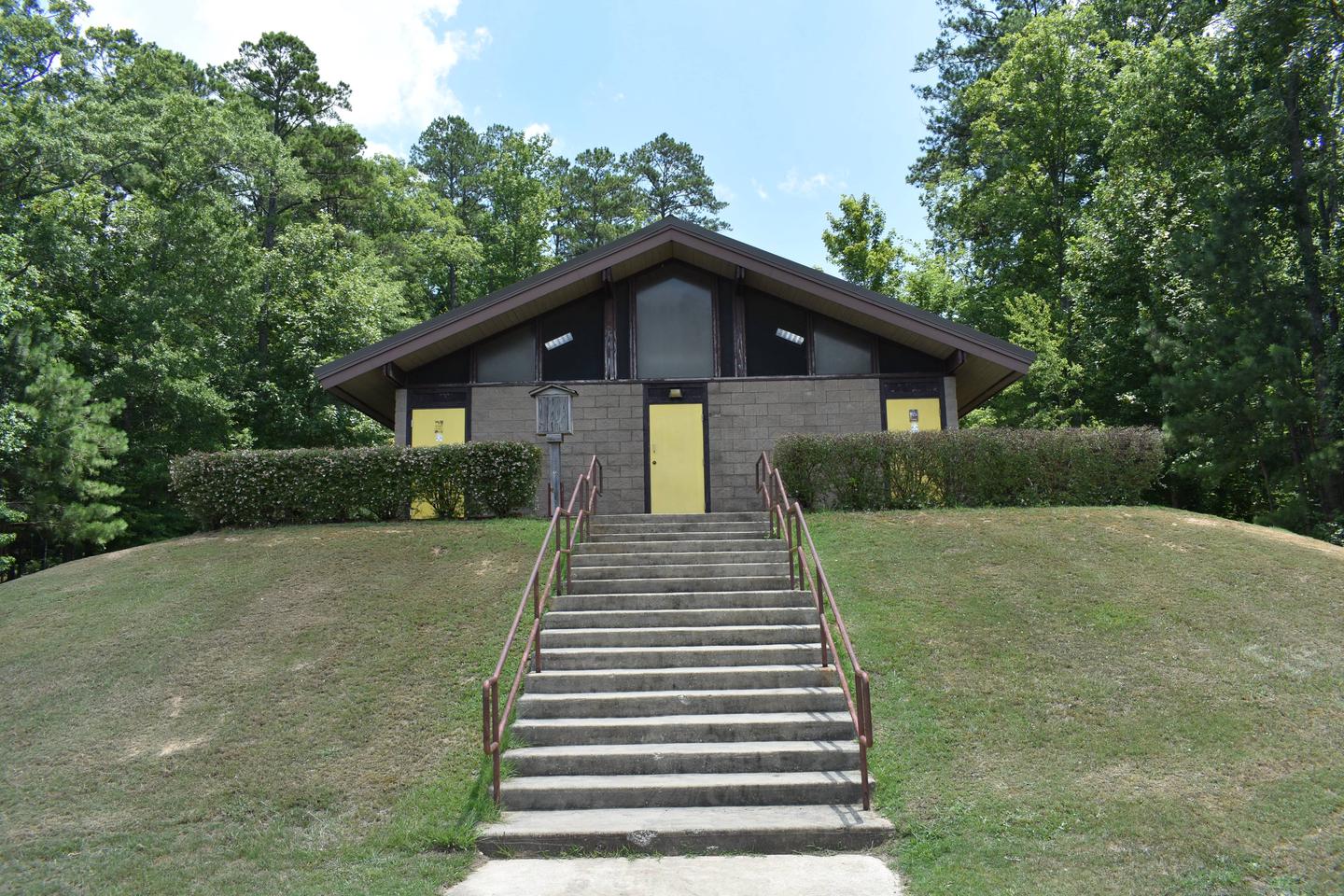
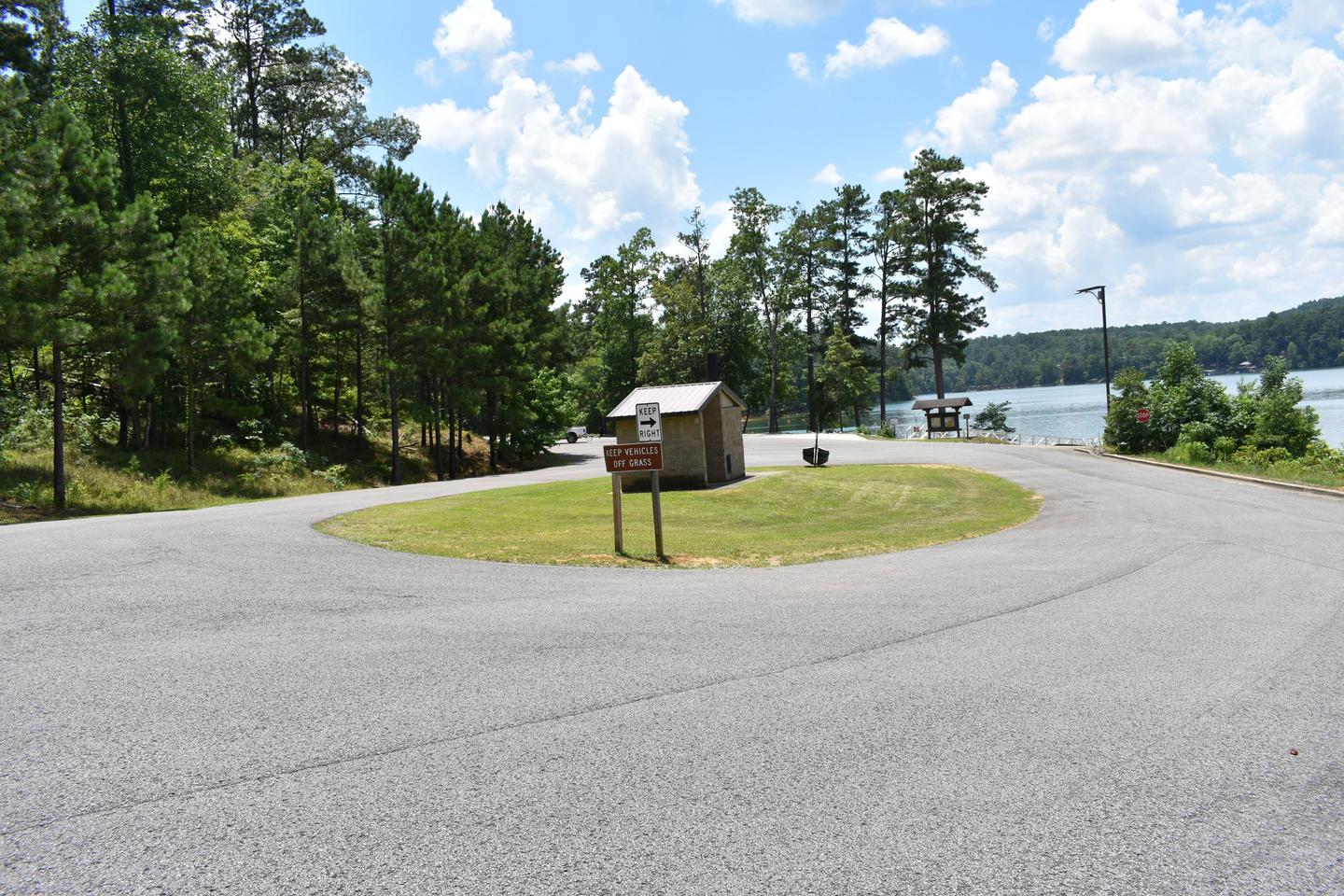
The 180,000+ acre Bankhead National Forest is in northwestern Alabama, and its prominent feature is the Sipsey Wilderness . Known as "The Land of a Thousand Waterfalls," the Sipsey is at the juncture of three separate geologic areas: the Appalachian Plateau, the Cumberland Plateau and the Coastal Plain. The vegetation from these three unique environments blend into a remarkable diversity of species, with overlapping ranges creating many unusual plant associations. The Sipsey is a 12,726 acre area of swift streams, waterfalls, sandstone cliffs, undisturbed gorges, majestic hardwood forests, wildflowers, birds, animals and is home to Alabama's largest tree, a tulip poplar with a 21-foot circumference at its base.
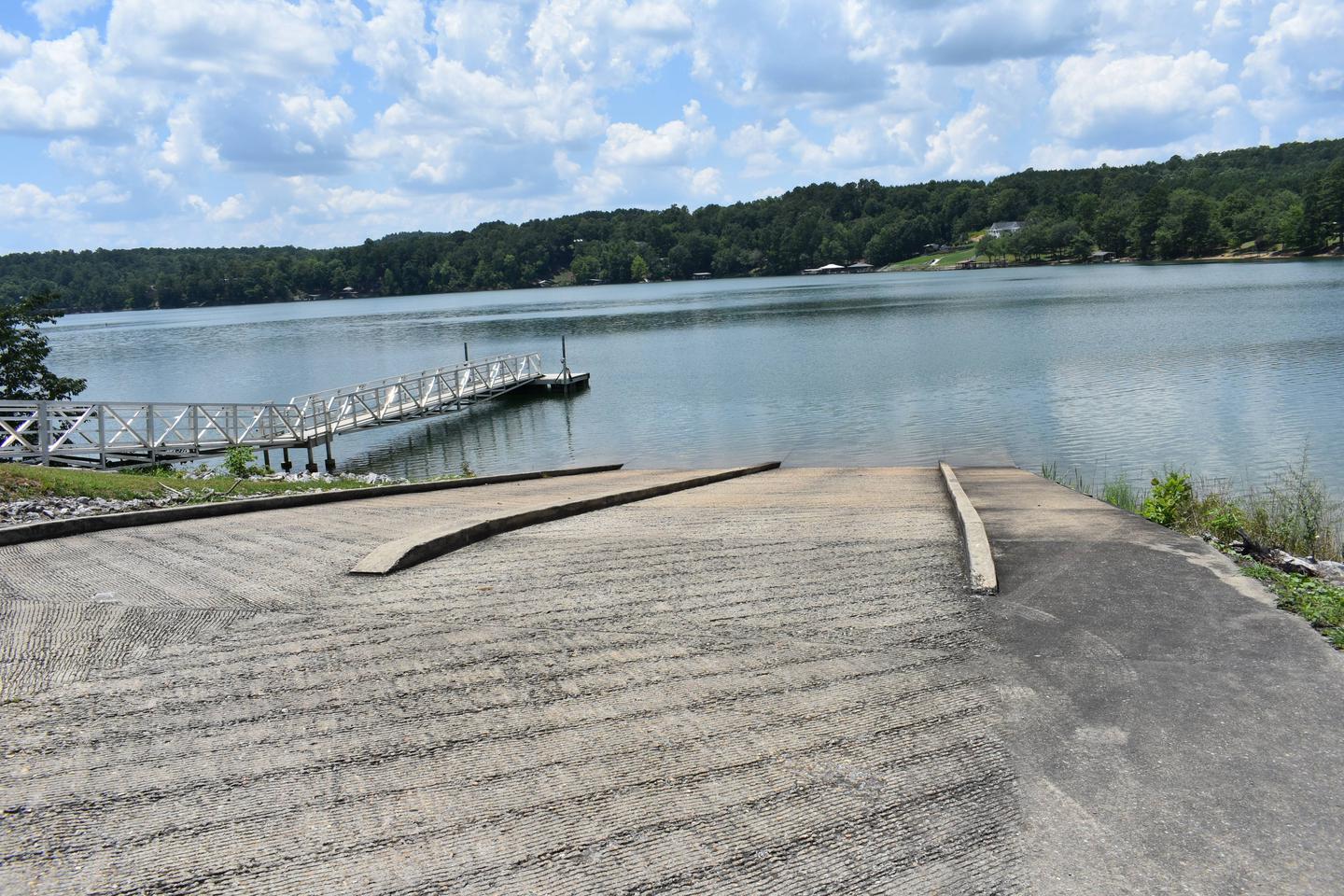
Lewis-Smith Lake (or Smith Lake) is located in the counties of Cullman, Walker and Winston. The 300-foot high dam, completed in 1961 by Alabama Power Company, impounds the Sipsey Fork of the Black Warrior River to form the lake. Smith Lake has a surface area of 21,200 acres, 500 miles of shoreline, a watershed area of 944 square miles, a retention time of 435 days, and a maximum depth of 264 feet.
Recreation
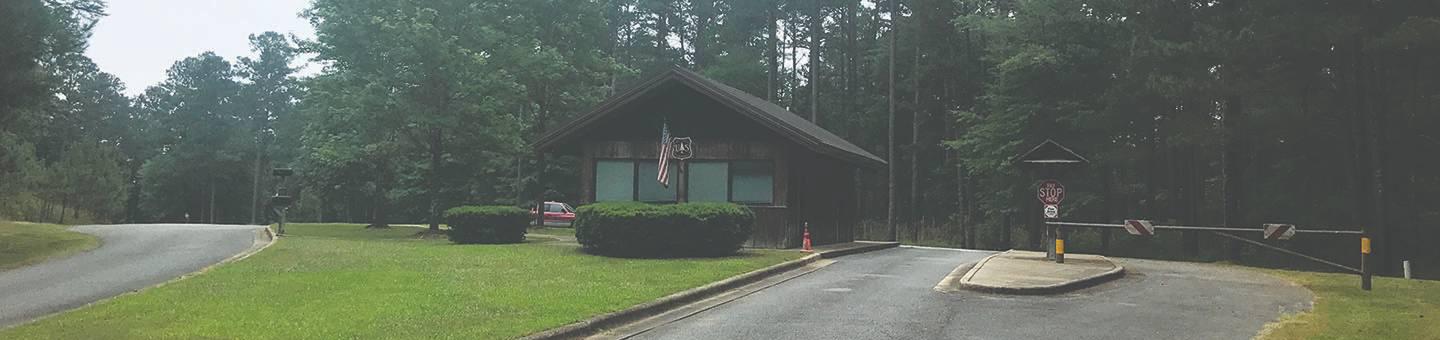
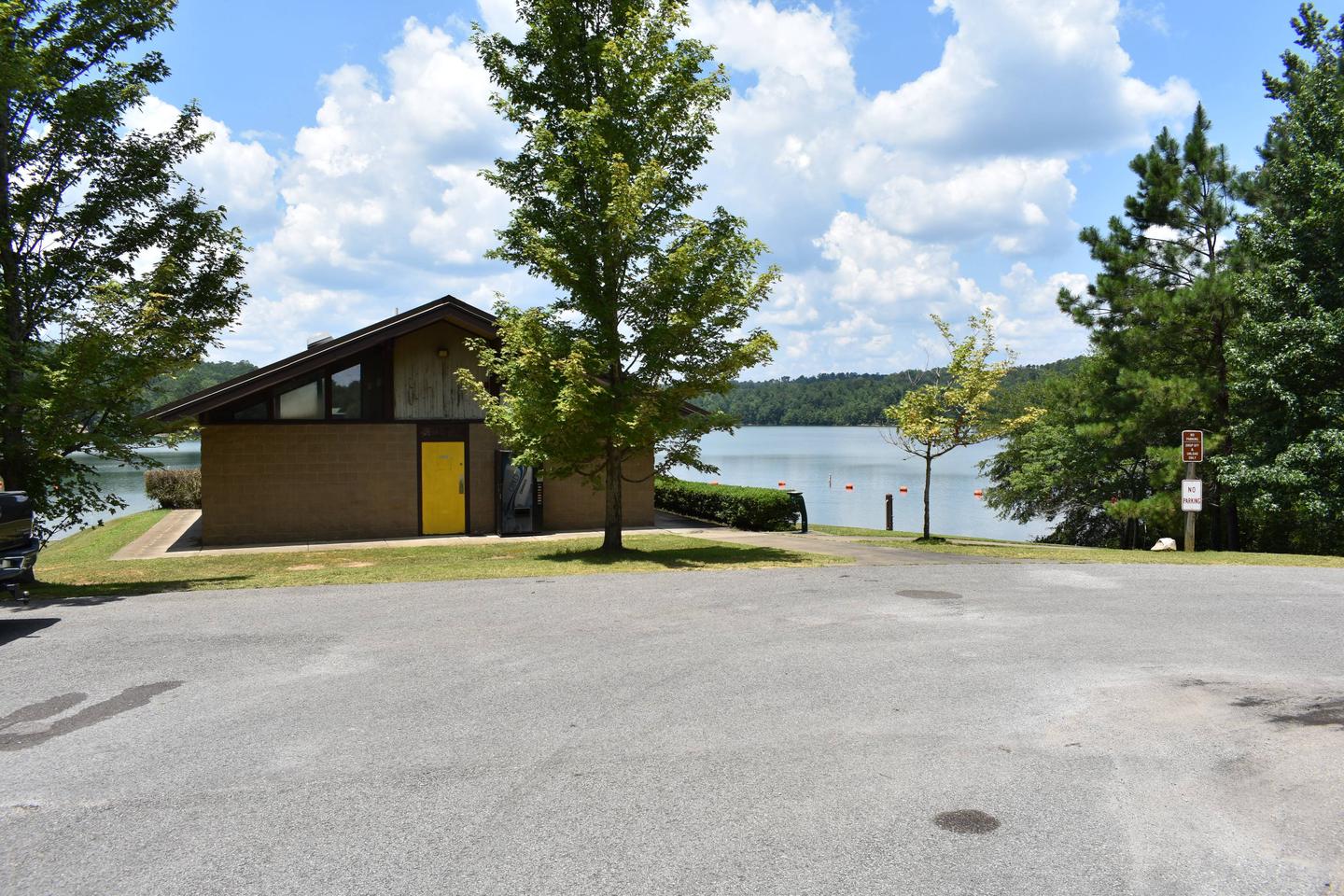
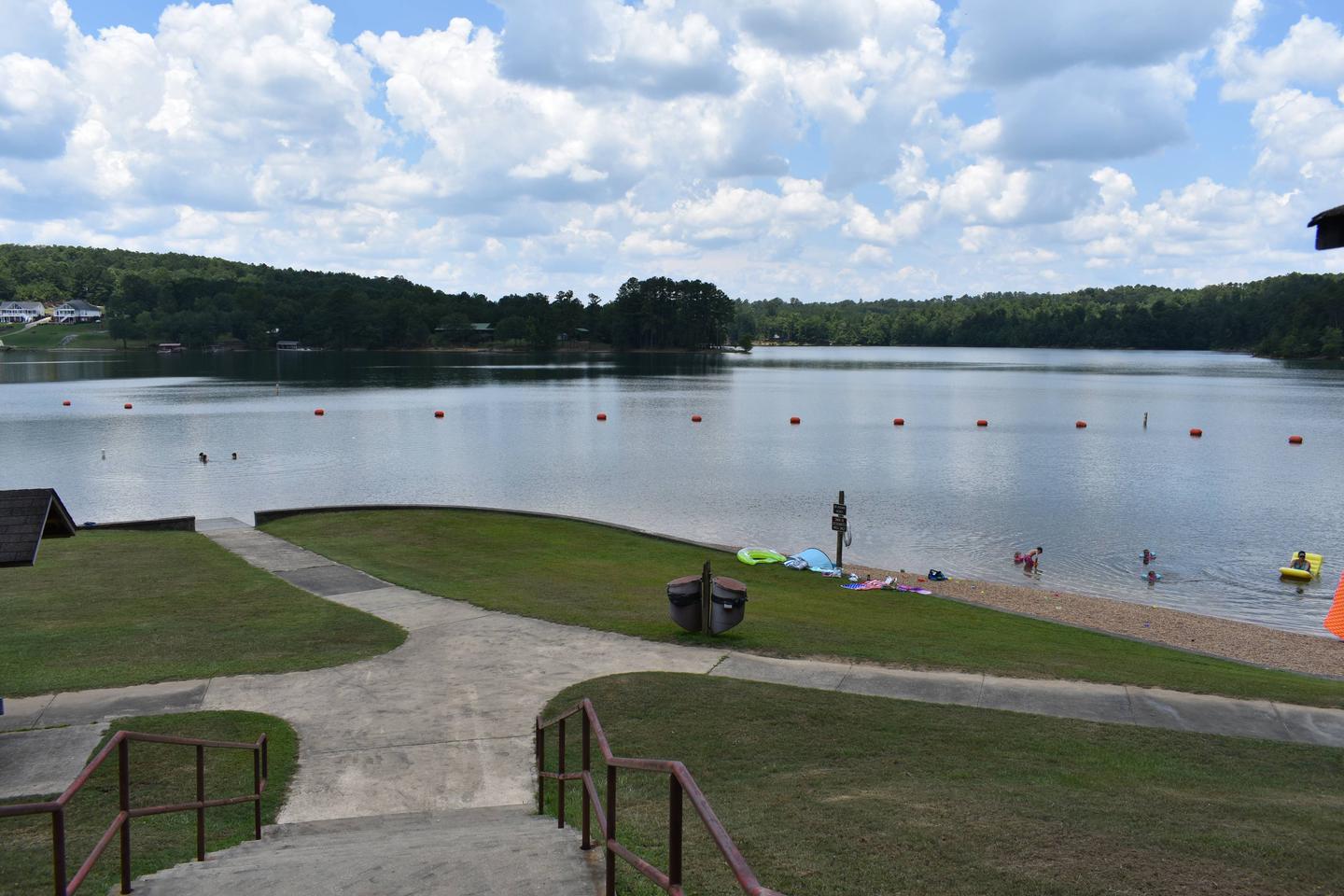
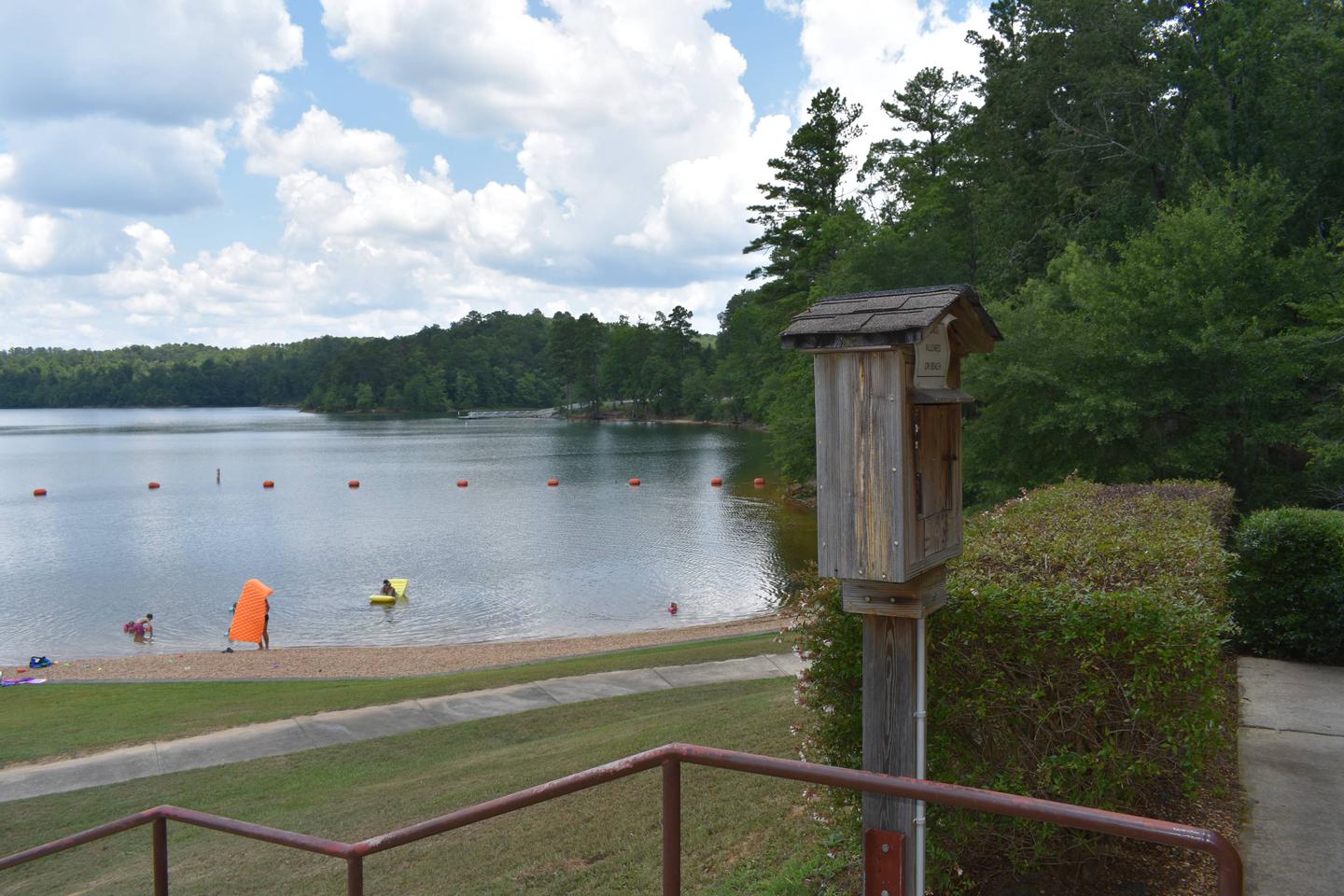
- Day-use visitors and campers have access to a boat ramp and swim beach.
- The lake provides excellent fishing for Kentucky Spotted Bass and Hybrid Striped Bass.
- Hikers can access the 1.3-mile Bobwhite Trail.
- Interpretive programs are hosted during the summer.
Permitted Equipment
rv-Up to 53ft
tent-Up to 50ft
trailer-Up to 50ft
Nearby Attractions
Four nearby attractions within Bankhead National Forest are:
- The Little Natural Bridge is the longest rock arch east of the Rockies. It was formed 200 million years ago when the sea washed the sandstone away leaving iron ore veins holding the bridge. In this area thrive 27 varieties of Ferns and a number of Canadian Hemlocks traced to the Ice Age. Satellite Map of Natural Bridge Park
- The 19th-century Pine Torch Church is one of the oldest churches in Alabama and one of only four surviving log churches. The church is located in the Bankhead Forest in Lawrence County at the intersection of Country Roads 70 and 73 Several online sources say it was built in the 1890s but a sign at the site claims in was built in the 1840s. According to legend, Pine Torch got its name from the pine knots that were set ablaze to light the building after dark. It is made of hand-hewn logs. The original floor, made of hand-hewn poplar planks, was stolen piece-by-piece and was replaced in 1940, according to a historic marker at the site. The original roof was made of hand-split wooden shingles. It was later replaced with tin. Behind the church is a cemetery whose grounds are covered with sand to make maintenance easier. A newer and larger wooden church was built at the back of the property. It is still in use. Satellite Map of the Pine Torch Church
- The Houston Civil War Jail - Houston, Alabama served as the first county seat for Winston County. The area known today as Winston County was originally established in 1850 as Hancock County, named after John Hancock, signer of the Declaration of Independence. In 1858 the county was renamed Winston after the first native-born governor of Alabama, John Anthony Winston. Old Houston, located a few miles away from present day Houston, was the first county seat. Citizens voted to move the county seat to present day Houston in the late 1850's and a log jail was constructed at that time. The jail burned during the Civil War and was rebuilt in 1868. The Houston jail was built of hand-hewn logs filled with nails to prevent prisoners from "sawing their way to freedom". The jail held prisoners and provided a site for court. In 1884 the county seat was moved from Houston to present day Double Springs. Houston Historical Society
- Discover the Incredible Variety of Habitats and Birds in the Bankhead National Forest. Birding on the Bankhead